
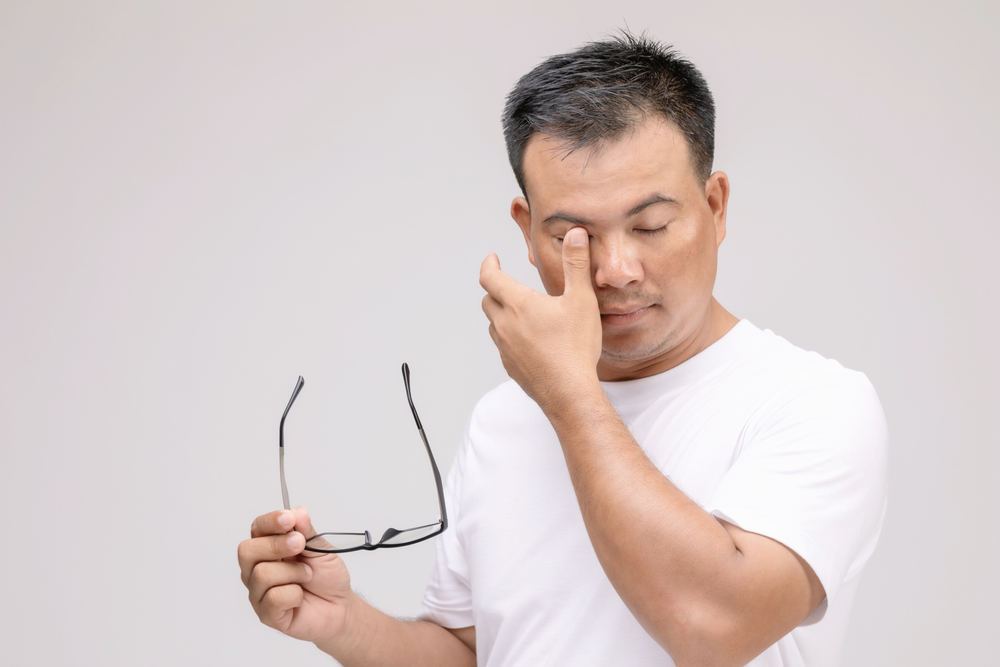
While crusting around the eyes and eyelashes is something many people deal with occasionally, especially in the mornings, chronic crusty eyelids could be a sign of blepharitis. This condition causes swelling and inflammation of the eyelids and can contribute to other eye problems, such as dry eye.
But can leaving this condition untreated impact your eyesight? Keep reading to learn more about whether blepharitis can affect your vision.
What Is Blepharitis?
Blepharitis is inflammation along the edges of your eyelids that usually occurs when the small glands at the base of the eyelashes are clogged. Blepharitis is a chronic problem that usually impacts both eyes simultaneously.
There are two main types of blepharitis:
Anterior Blepharitis
Anterior blepharitis impacts the outside of the eyelid where the eyelashes attach. This area of your eye may look red, swollen, or dark, and dead skin may start to accumulate on your eyelashes.
Posterior Blepharitis
Posterior blepharitis affects the inner edge of the eyelid that touches the eyeball. It occurs when your meibomian glands are producing thick or unhealthy oils.
What Are the Common Symptoms of Blepharitis?
The most common symptoms associated with blepharitis include:
- Watery eyes
- Red eyes
- Greasy-looking eyelids
- Red and swollen eyelids
- Gritty or stinging sensations in your eyes
- Itch eyelids
- Flaky skin around the eyes
- Light sensitivity
- Crusted eyelashes
- Eyelids sticking together, especially after you wake up
Often, blepharitis is noticeable and impacts your comfort. As soon as you notice issues with your eyelids, seek medical assistance. If left untreated, blepharitis can eventually cause vision loss.
What Causes Blepharitis?
The causes of blepharitis tend to differ based on the type you have. Causes of anterior blepharitis include:
- Rosacea
- Lice or Demodex mites in the eyelashes
- Dry eyes
- Allergies
- Dandruff around the eyelids
Posterior blepharitis is often caused by meibomian gland dysfunction, dandruff, or rosacea. Certain risk factors can also increase your risk of developing blepharitis, including:
- Having oily skin
- Poor makeup hygiene
- Hormonal changes like menopause
- Having diabetes
- Spending a lot of time in dry environments or places where you’re exposed to irritants
- Wearing contacts
- Having excess microbes living on the skin
How Does Blepharitis Impact Your Vision?
Blepharitis doesn’t usually impact your vision when it’s in the early stages of the condition. Because blepharitis doesn’t generally affect the structures responsible for eyesight, many patients don’t have vision concerns.
However, without symptom management and treatment, it’s possible for blepharitis to cause additional complications, such as
- Swelling in other parts of the eye, including the cornea
- Blurry vision
- Eyelashes falling out
- Dry eye
The earlier you address your blepharitis, the less likely you are to have vision concerns. If you think you may be suffering from blepharitis, you should schedule an eye exam with your eye doctor at Mid Ohio Eye so they can give you an official diagnosis and personalized treatment plan.
How is Blepharitis Treated?
The treatment your eye doctor recommends for blepharitis will largely depend on your symptoms and the severity of your condition. They will likely begin by suggesting lifestyle adjustments, like:
- Applying warm compresses over your eyelids
- Using eyelid scrubs to remove excess oil
- Incorporating more omega-3 fatty acids into your diet with foods like fish, flaxseeds, and walnuts
- Not wearing eye makeup
- Frequently cleaning your eyelids to keep them crust-free
- Applying artificial tears
If these management techniques don’t provide relief, your eye doctor may prescribe antibiotic pills, eye drops, or ointments alongside steroid eye drops to decrease inflammation and relieve symptoms.
Do you want to learn more about blepharitis and explore treatments that could help you find relief? Schedule an appointment at Mid Ohio Eye in Columbus, Ohio, today!