
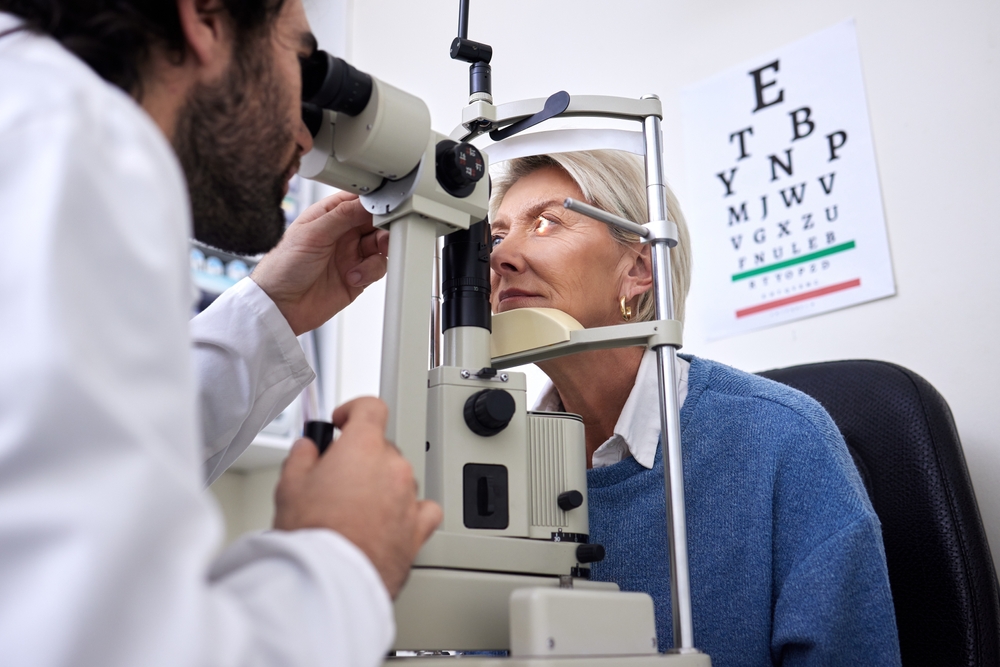
Glaucoma, often called the “silent thief of sight,” typically shows no symptoms until significant vision loss has already occurred. According to the Centers for Disease Control and Prevention, about 50% of people with glaucoma don’t even know they have it.
However, early detection through regular eye exams allows for prompt treatment that can prevent further damage and vision loss. Keep reading to learn the recommended schedule for glaucoma screening based on your age and individual risk factors.
Why Regular Glaucoma Screening Matters
Glaucoma is the name for a group of eye conditions that damage the optic nerve, and without treatment, they can lead to permanent vision loss. The most challenging part is that most people with glaucoma don’t experience symptoms until the disease has progressed considerably.
Vision loss from glaucoma cannot be restored, making early detection essential for protecting your sight. Regular exams allow eye doctors to identify signs of glaucoma before you notice any changes in your vision.
When detected early, treatment can slow down or even stop the disease from progressing. This makes routine eye exams one of the most effective tools for preventing vision loss from glaucoma.
Recommended Eye Exam Schedules for Glaucoma
Your age plays a significant role in determining how often you should have your eyes checked for glaucoma. The American Academy of Ophthalmology provides clear guidelines based on age groups.
If you’re younger than 40 and have no known risk factors for glaucoma, you should have a complete eye exam every five to 10 years. These exams include tests that check for glaucoma, even when you have no symptoms.
Adults between 40 and 64 should schedule eye exams every one to two years. This age range marks the beginning of an increased risk of glaucoma, so more frequent monitoring becomes essential.
Your eye doctor may adjust this schedule based on your individual risk factors and previous exam results. Adults 65 and older should return for an eye examination every year. Senior adults face a higher risk of glaucoma, making consistent monitoring especially important.
Who Needs More Frequent Glaucoma Screenings?
Some people need eye exams more often than the general recommendations suggest. If you have certain risk factors, your ophthalmologist may recommend exams every six to 12 months for earlier detection.
You may need more frequent monitoring if you have high eye pressure (intraocular pressure), which is a significant risk factor for glaucoma. A family history of glaucoma also increases your risk, since heredity plays a role in developing the condition.
People with thin corneas may also require closer monitoring, as corneal thickness can impact eye pressure readings and increase the risk of glaucoma. At Mid Ohio Eye in Columbus, comprehensive glaucoma testing includes several quick, non-invasive procedures.
These tests measure your eye pressure, examine your optic nerve, check your visual field, and assess other factors that contribute to glaucoma risk. Your eye doctor will recommend a personalized screening schedule tailored to your needs.
Protect Your Vision with Regular Glaucoma Screenings
Regular eye exams for glaucoma detection can make the difference in preserving your vision for years to come. The testing is painless and straightforward, yet it provides essential information about your eye health.
Don’t wait until you notice vision changes, because by that time, glaucoma may have already caused permanent damage. Schedule a comprehensive eye exam at Mid Ohio Eye in Columbus, OH, today to ensure your eyes receive the monitoring they need to protect your sight.